
North Philadelphia neighborhoods surrounding Temple University have long been shaped by the intersection of student housing demand, investor activity and systemic housing inequities. Rising property values and suspicious real estate transactions are now creating financial pressures that threaten the stability of longstanding residents while reshaping the student housing market.
Student Influence and Market Distortions
This discovery emerged after recent real estate activity around Temple University sparked controversy, with unusually high property sales that were threatening the long-term stability of the surrounding community becoming evident.
A Philadelphia Inquirer investigation highlights a troubling pattern: properties near Temple University that sat unsold for months being suddenly relisted at nearly double their original asking price and then quickly purchased by a small group of investors. An Inquirer review found 33 such sales where buyers paid far above original asking prices – even though the market didn’t support those valuations. Together, these account for about $40 million worth of student housing deals, many brokered by real estate agent Pat Fay.
Now, Temple University students are inadvertently playing a major role in shaping the housing demand in the area and bringing about a new stability challenge to current residents. Even with enrollment decreasing over the last eight years, the prevalence of student housing is more prominent due to investors anticipating its long-term demand and continuing to convert properties into student rentals.
The Inquirer investigation suggests that some of these transactions may involve inflated property values, raising concerns about broader market distortions. In the long run, when sale prices rise rapidly, they can reset neighborhood price expectations, creating ripple effects that directly affect longstanding residents and renters.
Community History and Impact
While this may initially appear to be an isolated real estate issue, it raises deeper questions about how housing markets operate, who ultimately benefits from these transactions and how this affects the surrounding community. To fully understand why neighborhoods like North Philadelphia are particularly vulnerable to these dynamics, it is important to look at their history.
In the 1930s, the federal government, via the Home Owners’ Loan Corporation, created maps that labeled many urban neighborhoods as “high risk” for investment – a practice known as redlining. Although the initial reasoning behind this was to “revive the housing market after the Great Depression,” in reality, large portions of North Philadelphia, especially predominantly Black communities, were marked in red ink.
Since decades of disinvestment have left neighborhoods financially unstable, they became targets for investors seeking to profit. Private investors began targeting neighborhoods near Temple University throughout the 1960s, hoping to profit from a growing student population and a resulting housing shortage. This often meant displacing longstanding Black working-class residents to convert blocks into student housing.
While this redevelopment boom initially generated profit, it became a disadvantage for landlords during the COVID-19 pandemic, as surging crime rates and declining student enrollment depressed rental demand and property values. As Nick Pizzola, vice president of the Temple Area Property Association, explains, “Rents are down, vacancies are up… It’s a buyer’s market.”
Impact On Current Homeowners and Renters
According to the Philadelphia Inquirer investigation, rising prices often translate into higher property tax assessments. Nick Pizzola, the vice president of the Temple Area Property Association, noted that “these recent sale prices would eventually start driving up neighborhood property assessments, leading to higher tax bills, particularly on blocks where Fay’s clients have purchased multiple properties.”
Even if a resident has lived in their home for decades, an increase in nearby property values can lead to a higher tax burden. For many, especially older residents or those on fixed incomes, this can create a financial crisis and increase the risk of displacement. According to Shelterforce, as property owners shift toward student-oriented leasing models, rents can rise, lease terms can shorten and long-term tenants may be replaced by higher-paying, short-term occupants.
It can also lead to bank foreclosures from unpaid mortgages and the “disappearance” of a landlord’s presence almost entirely. As ownership becomes more of an automated endeavor, tenants can be left to deal with the consequences. In a Philadelphia Inquirer video report, a student shared their experience of living with mold and unresolved maintenance issues, noting that their landlord had been unresponsive for months.
The Ongoing Fight For Equitable Access
Balancing revitalization, student demand, investor activity and the needs of longstanding residents requires intentional policy and planning to ensure communities remain fair and equitable for all. Cities like Philadelphia must navigate these pressures carefully to ensure that housing remains accessible and sustainable for all residents.
Across the country, some states have begun implementing policy responses that address the complexity of rising housing costs and property taxes. According to a study from the Pew Charitable Trusts, states such as Colorado, Wyoming and Montana have explored a range of property tax relief strategies, including increasing exemptions, limiting property tax growth and expanding eligibility for tax refund programs.
Other efforts have included providing targeted relief for low-income and veteran homeowners as well as creating task forces and commissions to develop long-term solutions. Since property taxes are a primary source of local government revenue that funds services like schools, this issue calls for innovative, long-term policy solutions that maintain public funding while improving affordability for residents.
These challenges are part of a broader fight for fair and equitable access to housing and credit. Our Institutional Accountability team works to address these issues by conducting investigations and testing to support enforcement actions, while also providing training and research aimed at expanding access to affordable housing. In addition, they collaborate with NCRC members to push for policies that make fair housing not just a national priority but a local reality for communities across the country.
Together, these efforts underscore that equitable access to housing is not unattainable – it requires coordination, accountability and sustained commitment at both the local and national levels.
Bianca Talarico is an Intern with NCRC’s Strategic Programs & Development division.
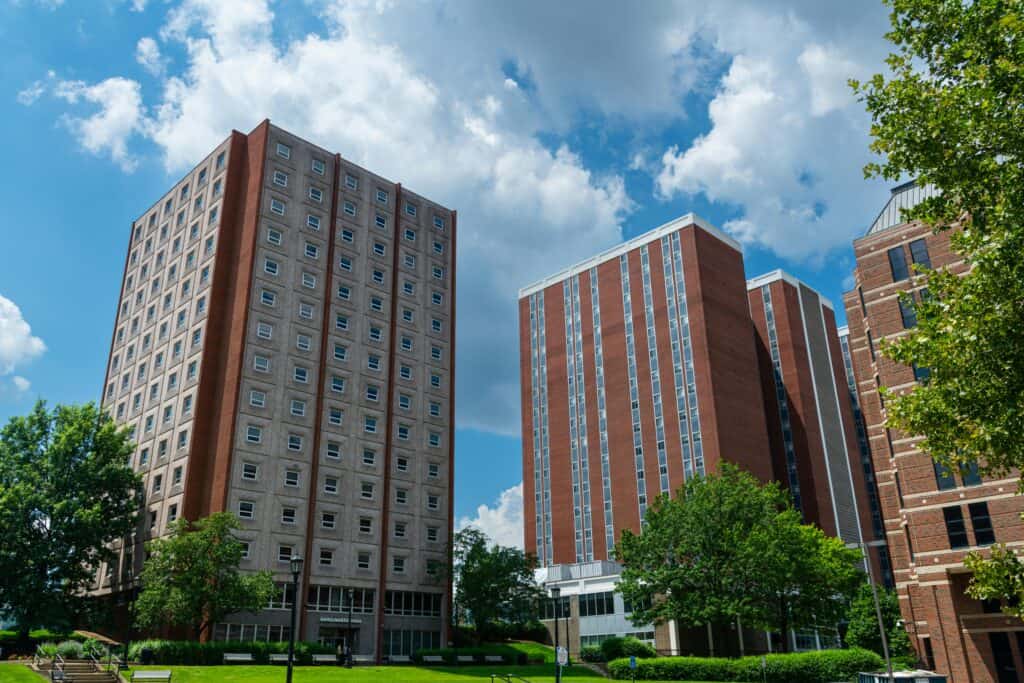
Photo credit: Jay Brand via Pexels.
